Introduction
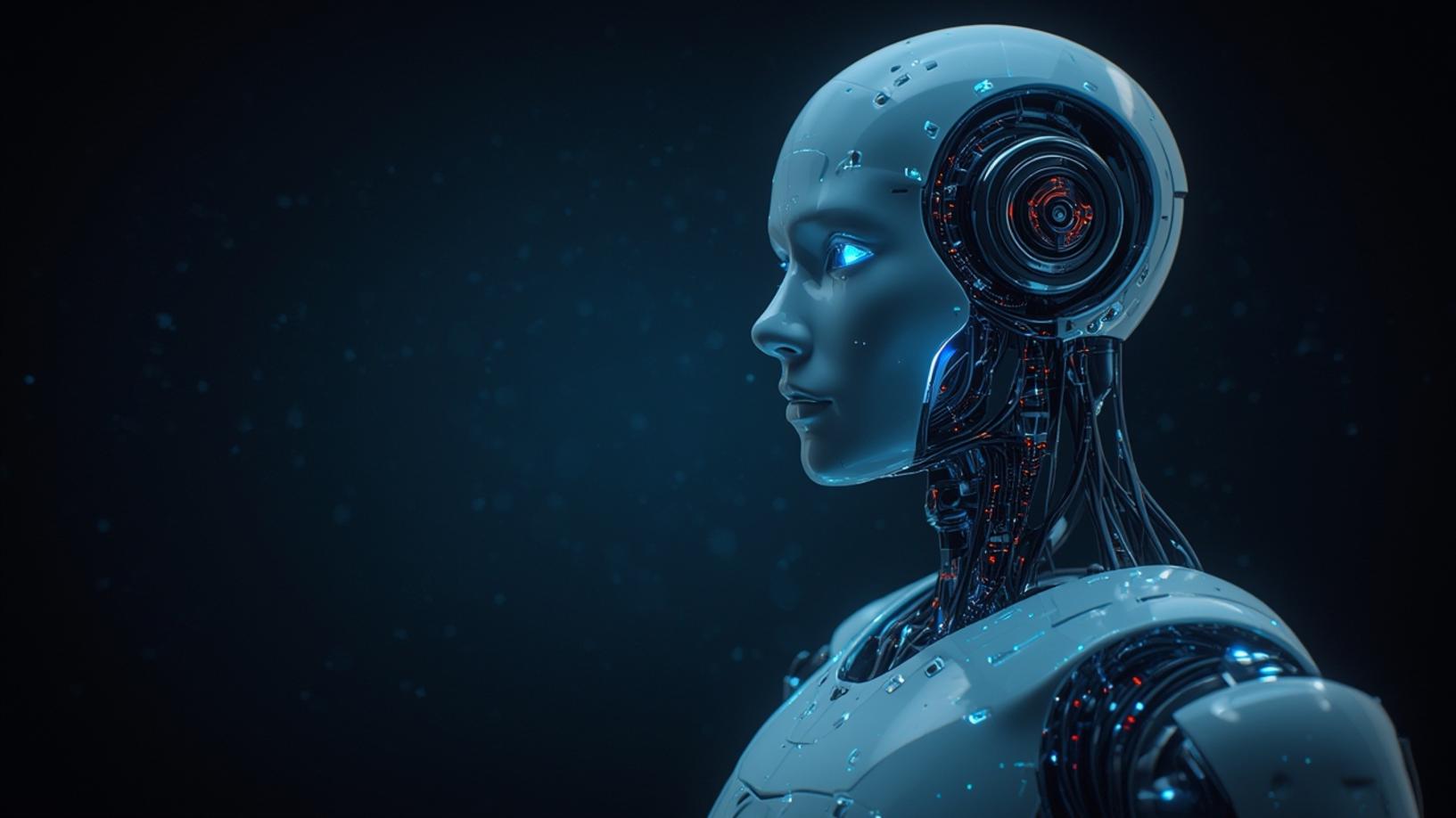
In recent years, the development of humanoid robots powered by AI has been nothing short of revolutionary. These advanced machines, designed to mimic human form and behavior, are transforming industries and redefining our interaction with technology. From assisting in healthcare to enhancing customer service, the applications of humanoid robots powered by AI are vast and varied. This blog post will explore the intricacies of these fascinating machines, offering insights into their design, functionality, and potential impact on society. Join us as we delve into the world of humanoid robots powered by AI and uncover the steps involved in their creation and implementation.
Step-by-Step Instructions
Creating humanoid robots powered by AI involves a meticulous process that combines engineering, programming, and innovative design. Here’s a step-by-step guide to understanding how these robots come to life:
1. Conceptualization and Design: The journey begins with conceptualizing the robot’s purpose and functionality. Engineers and designers collaborate to create detailed blueprints, focusing on the robot’s appearance, mobility, and capabilities. The design phase is crucial as it sets the foundation for the robot’s interaction with humans and its environment.
2. Mechanical Construction: Once the design is finalized, the next step is constructing the robot’s physical framework. This involves building a skeleton-like structure, often made from lightweight materials like aluminum or carbon fiber, to ensure durability and flexibility. The mechanical components, including joints and actuators, are carefully assembled to replicate human-like movements.
3. Electrical and Electronic Systems: The robot’s brain and nervous system are developed through the integration of electrical and electronic components. This includes sensors for perception, such as cameras for vision and microphones for sound, which allow the robot to interact with its surroundings. The power supply system is also designed to ensure efficient energy usage.
4. AI Programming and Machine Learning: The heart of any humanoid robot powered by AI lies in its software. Developers write complex algorithms that enable the robot to learn from data, adapt to new situations, and make decisions autonomously. Machine learning models are trained to recognize patterns, understand language, and perform tasks with precision.
5. Integration and Testing: After the hardware and software components are developed, they are integrated to form a cohesive unit. Rigorous testing is conducted to ensure the robot functions as intended, identifying and rectifying any issues that arise. This phase is critical for refining the robot’s performance and reliability.
6. Deployment and Maintenance: Once testing is complete, the humanoid robot is ready for deployment in its designated environment. Continuous monitoring and maintenance are essential to ensure the robot operates efficiently and adapts to any changes in its surroundings. Regular updates to its AI algorithms help improve its capabilities over time.
Conclusion
Humanoid robots powered by AI represent a remarkable convergence of technology and innovation. As these robots become more sophisticated, their potential to revolutionize various sectors continues to grow. From enhancing productivity in industries to providing companionship and assistance to individuals, the impact of humanoid robots powered by AI is profound and far-reaching. As we look to the future, it is clear that these machines will play an increasingly integral role in our lives, offering new possibilities and challenges. Understanding the steps involved in their creation not only highlights the complexity of their design but also underscores the importance of responsible development and deployment. As we continue to advance in this field, the potential of humanoid robots powered by AI is limited only by our imagination.