Introduction
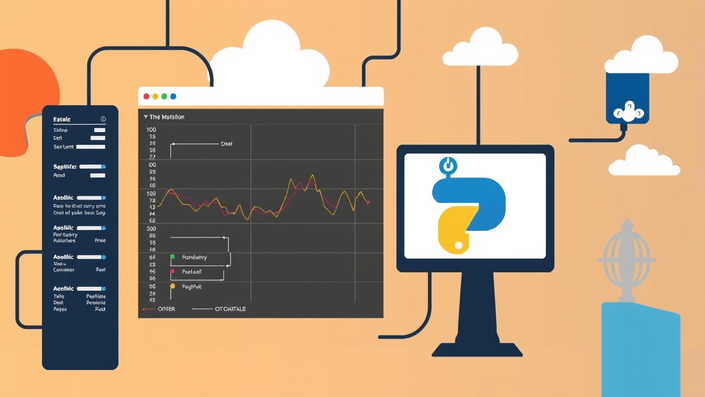
Remote monitoring systems have become an essential tool in various industries, including healthcare, finance, and education. These systems enable organizations to track and manage their operations from a distance, reducing the need for physical presence and increasing efficiency. One popular programming language used to develop remote monitoring systems is Python. In this blog post, we will explore the concept of Remote monitoring systems with Python and how it can be used to create effective monitoring solutions. We will also discuss the benefits of using Python for remote monitoring and provide a step-by-step guide on how to get started.
Python is a versatile and widely-used language that offers a range of libraries and frameworks for developing remote monitoring systems. Its simplicity, flexibility, and large community of developers make it an ideal choice for building custom monitoring solutions. With Python, developers can create complex systems that can collect data from various sources, analyze it, and provide real-time insights. Whether it’s monitoring patient health, tracking financial transactions, or overseeing educational programs, Python can help organizations make data-driven decisions and improve their operations.
Remote monitoring systems with Python can be applied in various contexts, including industrial automation, environmental monitoring, and smart homes. These systems can be designed to collect data from sensors, cameras, and other devices, and then transmit it to a central server for analysis. The analyzed data can then be used to send alerts, notifications, or even control devices remotely. With the increasing demand for remote monitoring solutions, Python has become a popular choice among developers due to its ease of use, scalability, and reliability.
Step-by-Step Instructions
To build a remote monitoring system with Python, you will need to follow a series of steps. First, you need to define the requirements of your monitoring system, including the type of data to be collected, the frequency of data collection, and the devices to be used. Once you have defined your requirements, you can start designing your system architecture. This involves selecting the right hardware and software components, including sensors, microcontrollers, and communication protocols.
Next, you need to choose a suitable Python library or framework for your remote monitoring system. Some popular options include PySerial, PyUSB, and Scapy. These libraries provide a range of functionalities, including serial communication, USB communication, and network packet analysis. You can also use popular Python frameworks like Django or Flask to build a web-based monitoring interface.
After selecting your library or framework, you can start writing your Python code. This involves defining functions to collect data from devices, analyze the data, and send alerts or notifications. You can use Python’s built-in data structures, such as lists and dictionaries, to store and manipulate your data. You can also use popular data analysis libraries like Pandas and NumPy to perform complex data analysis tasks.
Once you have written your Python code, you need to test and deploy your remote monitoring system. This involves connecting your devices, running your code, and verifying that your system is working as expected. You can use tools like Git to version control your code and collaborate with other developers. You can also use cloud platforms like AWS or Google Cloud to deploy your system and scale it up or down as needed.
Using Remote monitoring systems with Python can help organizations streamline their operations, reduce costs, and improve decision-making. With its simplicity, flexibility, and scalability, Python is an ideal language for building custom monitoring solutions. By following the step-by-step instructions outlined above, developers can create effective remote monitoring systems that meet their specific needs and requirements.
Conclusion
In conclusion, remote monitoring systems with Python offer a powerful solution for organizations looking to streamline their operations and improve decision-making. By using Python’s versatile libraries and frameworks, developers can create custom monitoring solutions that meet their specific needs and requirements. Whether it’s monitoring patient health, tracking financial transactions, or overseeing educational programs, Remote monitoring systems with Python can help organizations make data-driven decisions and improve their operations.
As the demand for remote monitoring solutions continues to grow, Python is likely to remain a popular choice among developers. Its ease of use, scalability, and reliability make it an ideal language for building complex monitoring systems. With the right libraries and frameworks, developers can create systems that collect data from various sources, analyze it, and provide real-time insights. By leveraging the power of Python, organizations can unlock new opportunities for growth, innovation, and success.
Finally, we hope that this blog post has provided a comprehensive overview of remote monitoring systems with Python. We have discussed the benefits of using Python for remote monitoring, provided a step-by-step guide on how to get started, and highlighted the importance of using the right libraries and frameworks. By following these guidelines and using Remote monitoring systems with Python, developers can create effective monitoring solutions that meet their specific needs and requirements.