Your Complete Guide to Travel and Adventures: Everything You Need Before You Go
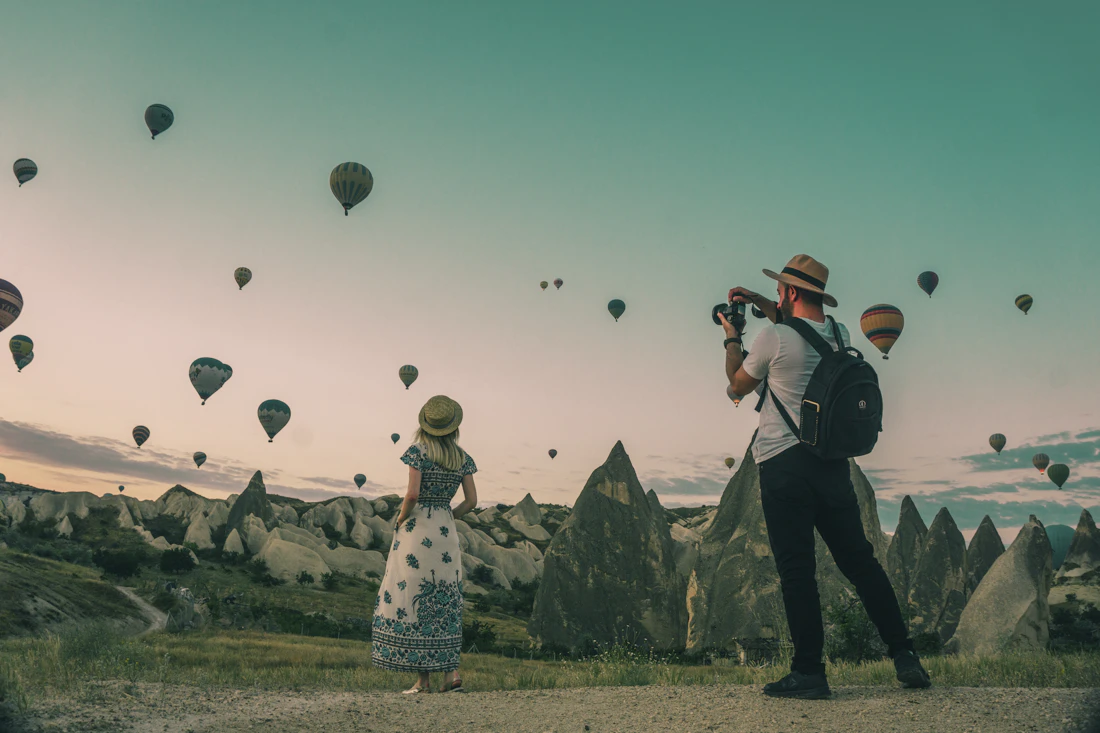
Adventure does not announce itself. It arrives when you say yes to something that scares you slightly — a ridge trail above the cloud line, a night bus to a city you cannot pronounce, a dive into water so clear it does not look real. This guide gives you everything: how to plan, what it costs, where to go, how to stay safe, and how to make it worth every kilometer.
Choosing Your Adventure: Types, Destinations, and What Suits You
Before you book anything, you need to be honest with yourself about what kind of adventure you are actually looking for. "Adventure travel" covers an enormous range — from a weekend hiking trip in the national parks to a six-month overland crossing of Central Asia. The gap between those two things is everything: fitness, budget, risk tolerance, time, and experience.
The most common adventure travel categories each demand different preparation. Trekking and hiking is the most accessible entry point — destinations like Nepal's Annapurna Circuit, Patagonia's Torres del Paine, or New Zealand's Milford Track are achievable for fit beginners with the right gear and enough time to acclimatize. Water-based adventures — sea kayaking, white-water rafting, sailing, surfing — require at minimum a basic swimming competency and ideally some prior instruction before you hit serious conditions.
Motorized overland travel — motorbike touring, 4WD expeditions, van life — gives you the most freedom and the most logistical complexity. You need mechanical competence, insurance that covers your vehicle abroad, and a genuine tolerance for improvisation. Expedition-level travel — mountaineering above 5,000m, polar traversals, deep ocean sailing — requires specialist training, guides, and serious investment. Know which category you belong to before you commit.
KNOW YOUR LEVEL| Adventure Type | Best Destinations | Fitness Required | Avg. Trip Length | Entry Cost |
|---|---|---|---|---|
| Trekking / Hiking | Nepal, Patagonia, New Zealand, Peru | Moderate–High | 7–21 days | $800–$3,000 |
| Surfing / Kitesurfing | Bali, Portugal, Morocco, Costa Rica | Moderate | 7–14 days | $600–$2,000 |
| White-water Rafting | Nepal, Uganda, Colorado, New Zealand | Moderate | 1–7 days | $200–$1,500 |
| Overland Motorbike | Southeast Asia, Central Asia, Africa | Low (endurance) | 2–12 weeks | $2,000–$8,000 |
| Mountaineering | Nepal, Argentina, Tanzania, Alaska | Very High | 2–6 weeks | $3,000–$20,000+ |
The best adventure trips are calibrated to a level just above your current comfort zone — not so familiar that nothing surprises you, not so extreme that fear replaces wonder. That calibration is the art of adventure travel planning, and it starts with honest self-assessment.
Budgeting for Adventure Travel: The Real Costs Nobody Warns You About
Adventure travel has a reputation for being expensive — and it can be. But the cost is almost entirely dependent on where you go, how independently you travel, and whether you already own the gear. The biggest mistake first-time adventure travelers make is underbudgeting for gear and emergencies, then overspending on flights.
| Category | Budget ($) | Mid-Range ($) | Premium ($) |
|---|---|---|---|
| Accommodation/night | $15–40 (hostels, camping) | $60–130 (guesthouses, eco-lodges) | $200–500+ (luxury lodges) |
| Food/day | $10–25 (local markets, self-cook) | $35–70 (local restaurants) | $80–180 (lodge included) |
| Transport/day | $5–20 (local buses, shared taxis) | $30–80 (private transfers, rental) | $100–300 (4WD, charter flights) |
| Guided Activities/day | $20–50 (group tours) | $80–180 (semi-private guiding) | $250–600+ (private expedition) |
| Insurance/day | $5–10 (basic adventure cover) | $10–18 (full adventure cover) | $20–40 (expedition-level) |
| Daily total estimate | $55–145 | $215–480 | $650–1,600+ |
Gear is a one-time cost that beginners consistently underestimate. A solid base kit for multi-day trekking — boots, pack, sleeping bag, waterproofs, layers — runs $600–$1,200 if bought new. Rent gear in destination where possible: Kathmandu, Queenstown, and Patagonia all have excellent rental markets at a fraction of purchase price.
Emergency funds are non-negotiable. A helicopter evacuation from a remote trekking route can cost $3,000–$8,000. A medical repatriation flight from Southeast Asia runs $15,000–$50,000. Without adventure-specific insurance, those costs land entirely on you. Budget $150–$350 for a three-week policy from a reputable provider — it is the best money you will spend on the entire trip.
Top Adventure Destinations in the World Right Now
The world's best adventure destinations share something in common: they offer genuine wildness, physical challenge, and the kind of landscape that reminds you how small you are. Here are the regions that deliver most consistently, and what each one is best for.
Nepal remains the gold standard for trekking. The Everest Base Camp and Annapurna Circuit routes are world-class, but the less-traveled Manaslu Circuit and Upper Mustang offer equivalent scenery with a fraction of the foot traffic. Go between October and November for clear skies and firm trails.
THE WORLD CALLSPatagonia — spanning southern Chile and Argentina — is for travelers who want raw, unpredictable wilderness. Torres del Paine National Park's W and O circuits are iconic. The wind is brutal, the weather changes in minutes, and the landscape is utterly unlike anywhere else on earth. Go between November and March.
Southeast Asia punches far above its weight for adventure per dollar. Northern Laos and Vietnam offer motorbike touring through mountain karst. The Philippines and Indonesia have world-class diving and volcano trekking. Thailand's northern jungles reward multi-day trekking and kayaking. The region is accessible, affordable, and has the logistical infrastructure to support independent travelers at every level.
East Africa offers the continent's most compelling adventure combination: Kilimanjaro — the world's highest free-standing mountain and genuinely achievable for fit non-climbers — combined with safari in the Serengeti or Masai Mara. Uganda and Rwanda add gorilla trekking to the mix. Ethiopia's Simien Mountains are wildly underrated.
Safety, Health, and Risk Management for Adventure Travelers
Risk is inseparable from adventure. But there is a critical difference between calculated risk — the kind that makes a journey feel alive — and reckless risk, which is just poor preparation wearing an exciting name. The best adventure travelers are not fearless; they are methodical.
The health preparation checklist for adventure travel:
- Vaccinations — Consult a travel health clinic 6–8 weeks before departure. Yellow fever, typhoid, hepatitis A and B, rabies, and Japanese encephalitis may be required depending on destination.
- Altitude sickness — Above 2,500m, ascend slowly, hydrate aggressively, and carry acetazolamide (Diamox) if trekking above 3,500m. Descend immediately at the first signs of HACE or HAPE.
- Water safety — In most adventure destinations, tap water is unsafe. Carry a SteriPen or Sawyer filter. Iodine tablets are a backup. Never assume water is clean because it is running.
- Sun and heat — At altitude and in tropical regions, UV intensity is extreme. SPF 50+, a wide-brim hat, and electrolyte supplements are not optional for multi-day exposure.
- First aid kit — Carry blister supplies, wound closure strips, antihistamines, anti-diarrhea medication, a SAM splint, and a space blanket as a minimum. A Wilderness First Aid course is worth the two days it takes.
Share your itinerary with someone at home before every major leg of a trip. Register with your country's embassy in high-risk destinations. Carry a personal locator beacon (PLB) or satellite communicator — Garmin inReach and SPOT are the most reliable — on any trip where you will be more than a few hours from road access.
Turn around when conditions deteriorate. Summit fever — the compulsion to push on regardless of warning signs — kills experienced mountaineers and ruins inexperienced ones. The mountain will be there next season. There is no shame in descent; there is only wisdom.
How to Plan Your Adventure Trip in 7 Steps
-
1Define your adventure type and fitness level Be honest. Choose a trip calibrated to your current capability — not the version of yourself you plan to be. You can always level up on the next trip.
-
2Research the season and permits Most adventure destinations have a clear best window. Book permits — Kilimanjaro, Everest Base Camp, Torres del Paine — months in advance. They sell out fast and have no waitlist.
-
3Sort insurance before anything else Get a policy that explicitly covers every activity you plan to do, including helicopter evacuation. Read the exclusions. If your activity is not listed, it is not covered.
-
4Build your gear list and source it smart Buy quality for footwear and rain protection — these are the two things that will ruin your trip if they fail. Rent sleeping bags, packs, and technical gear at destination where possible.
-
5Train for the specific demands of your trip Trekking requires loaded hiking with elevation gain, not just gym cardio. Start training with a weighted pack on stairs or hills at least 8 weeks before departure.
-
6Arrange communications and emergency contacts Buy a local SIM at your destination or carry a satellite communicator. Share your route and check-in schedule with someone reliable at home who knows what to do if you go silent.
-
7Leave buffer days at the start and end Weather delays, acclimatization days, and gear problems are not exceptional — they are standard. A trip with zero buffer has no room to be an adventure. Build in at least two days of slack at each end.
Frequently Asked Questions About Adventure Travel
These are the questions every adventure traveler asks before their first — or their boldest — trip. Answered plainly.