Introduction
The world of agriculture is undergoing a significant transformation, thanks to the integration of technology and innovation. One of the key technologies that is revolutionizing the agricultural sector is Wireless sensor networks for agriculture. This technology has the potential to increase crop yields, reduce waste, and promote sustainable farming practices. In this blog post, we will explore the concept of wireless sensor networks for agriculture and their applications in modern farming.
Agriculture is an essential part of the global economy, and it is crucial to ensure that farming practices are efficient, sustainable, and environmentally friendly. The use of wireless sensor networks in agriculture can help farmers to monitor soil moisture, temperature, and crop health in real-time. This enables them to make informed decisions about irrigation, fertilization, and pest control, which can lead to improved crop yields and reduced environmental impact.
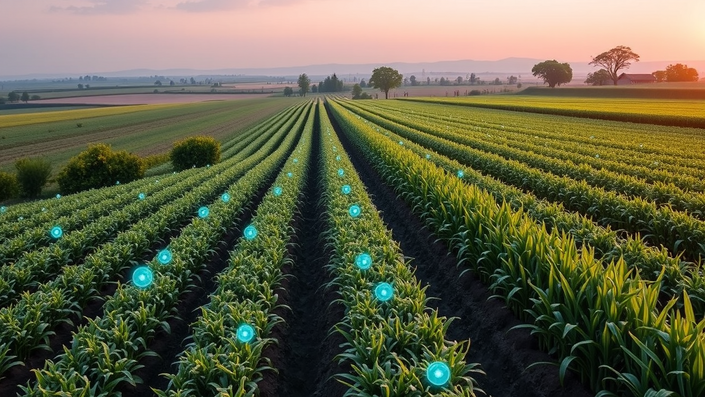
Wireless sensor networks for agriculture typically consist of a network of sensors that are deployed in the field to collect data on various parameters such as soil moisture, temperature, humidity, and light intensity. The data collected by these sensors is then transmitted to a central server or cloud-based platform, where it can be analyzed and used to make informed decisions about farming practices. The use of wireless sensor networks in agriculture has the potential to transform the way farming is done, and it is an exciting area of research and development.
Step-by-Step Instructions
To implement wireless sensor networks for agriculture, farmers and agricultural professionals can follow a step-by-step approach. The first step is to identify the parameters that need to be monitored, such as soil moisture, temperature, and crop health. The next step is to select the appropriate sensors and networking technology, such as Wi-Fi, Zigbee, or LoRaWAN. The sensors and networking technology must be compatible with each other and with the central server or cloud-based platform that will be used to collect and analyze the data.
Once the sensors and networking technology have been selected, the next step is to deploy the sensors in the field. This can be done manually or using automated systems such as drones or autonomous vehicles. The sensors must be placed in a way that they can collect accurate and reliable data, and they must be powered by a reliable source such as batteries or solar panels. Wireless sensor networks for agriculture can be used to monitor a wide range of parameters, including soil moisture, temperature, humidity, and light intensity.
The data collected by the sensors is then transmitted to a central server or cloud-based platform, where it can be analyzed and used to make informed decisions about farming practices. The data can be analyzed using a variety of techniques, including machine learning and data mining. The insights gained from the data can be used to optimize irrigation, fertilization, and pest control, which can lead to improved crop yields and reduced environmental impact. Wireless sensor networks for agriculture have the potential to transform the way farming is done, and they are an essential tool for farmers and agricultural professionals who want to stay ahead of the curve.
In addition to monitoring soil moisture, temperature, and crop health, wireless sensor networks for agriculture can also be used to monitor other parameters such as weather conditions, soil composition, and water quality. The data collected by the sensors can be used to create detailed maps of the farm, which can be used to identify areas that need improvement. The use of wireless sensor networks in agriculture can also help to reduce waste and promote sustainable farming practices, which is essential for the long-term sustainability of the agricultural sector.
Another key application of wireless sensor networks for agriculture is in the area of precision farming. Precision farming involves the use of advanced technology, such as GPS and drones, to optimize farming practices and improve crop yields. Wireless sensor networks can be used to collect data on soil moisture, temperature, and crop health, which can be used to create detailed maps of the farm. The data can then be used to optimize irrigation, fertilization, and pest control, which can lead to improved crop yields and reduced environmental impact.
The use of wireless sensor networks for agriculture also has the potential to improve the efficiency and productivity of farming practices. By collecting data on soil moisture, temperature, and crop health, farmers and agricultural professionals can make informed decisions about when to plant, irrigate, and harvest crops. The data can also be used to identify areas of the farm that need improvement, which can help to reduce waste and promote sustainable farming practices. Wireless sensor networks for agriculture are an essential tool for farmers and agricultural professionals who want to stay ahead of the curve and improve the efficiency and productivity of their farming practices.
Conclusion
In conclusion, wireless sensor networks for agriculture are a key technology that has the potential to transform the way farming is done. The use of wireless sensor networks can help to increase crop yields, reduce waste, and promote sustainable farming practices. By collecting data on soil moisture, temperature, and crop health, farmers and agricultural professionals can make informed decisions about irrigation, fertilization, and pest control, which can lead to improved crop yields and reduced environmental impact.
The use of wireless sensor networks for agriculture is an exciting area of research and development, and it has the potential to improve the efficiency and productivity of farming practices. By following a step-by-step approach, farmers and agricultural professionals can implement wireless sensor networks for agriculture and start enjoying the benefits of this technology. From monitoring soil moisture and temperature to optimizing irrigation and fertilization, wireless sensor networks for agriculture are an essential tool for anyone who wants to stay ahead of the curve and improve the sustainability of their farming practices.
As the world of agriculture continues to evolve, it is essential to stay ahead of the curve and adopt new technologies and innovations. Wireless sensor networks for agriculture are a key technology that has the potential to transform the way farming is done, and they are an essential tool for farmers and agricultural professionals who want to improve the efficiency and productivity of their farming practices. By embracing this technology, we can create a more sustainable and productive agricultural sector that is capable of meeting the food needs of a growing global population. The future of agriculture is wireless, and wireless sensor networks for agriculture are leading the way.