Introduction
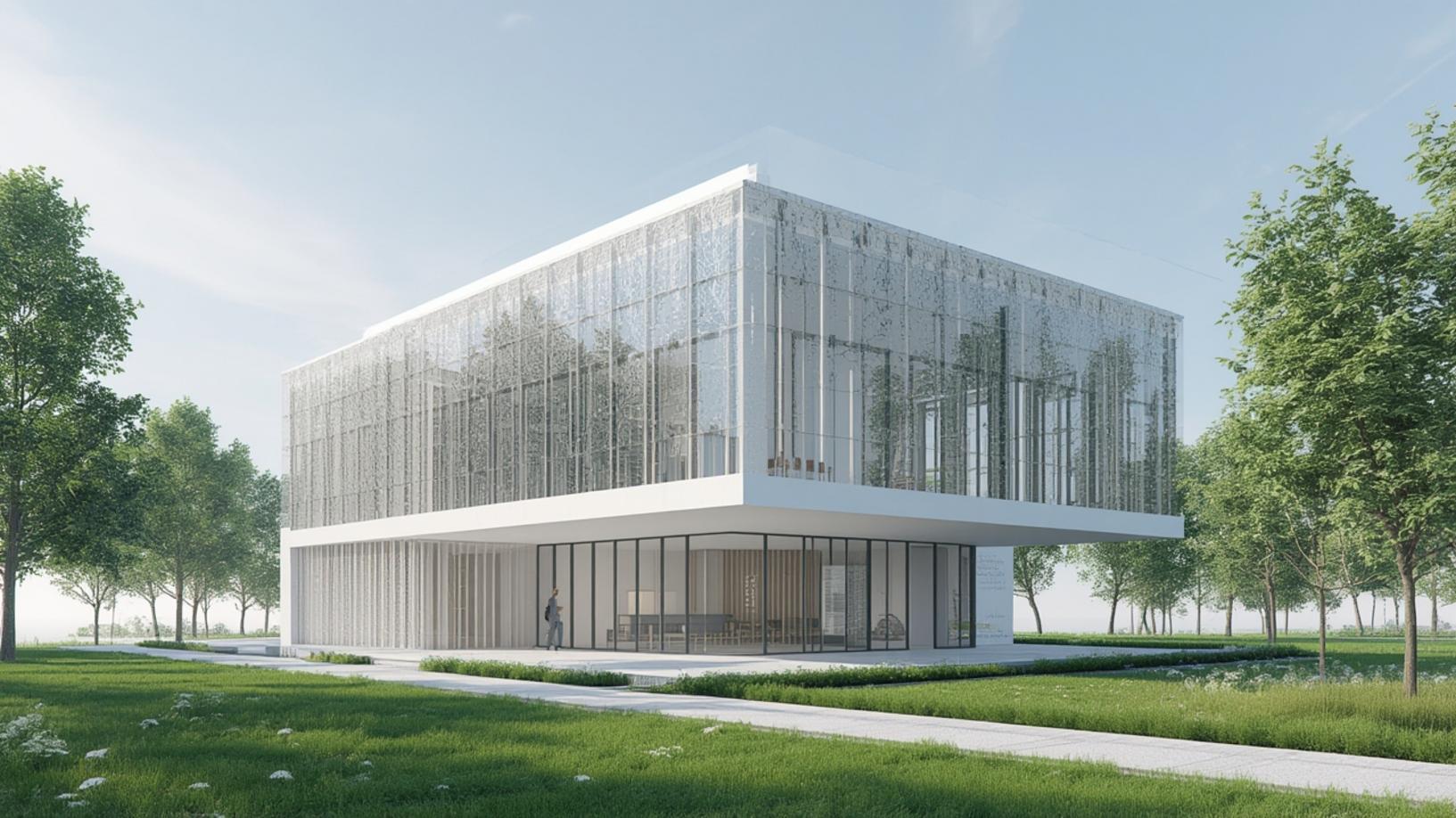
In the ever-evolving world of architecture and design, the advent of AI architecture rendering software has revolutionized the way architects and designers visualize and present their ideas. Gone are the days of labor-intensive manual rendering processes that could take days or even weeks to complete. Today, AI-driven tools are empowering professionals to create stunning, realistic visualizations in a fraction of the time. This blog post will guide you through the transformative journey of AI in architecture rendering, offering step-by-step instructions on how to harness these powerful tools to elevate your design projects. Whether you’re a seasoned architect or a budding designer, understanding and utilizing AI architecture rendering software can significantly enhance your workflow and creativity.
Step-by-Step Instructions
To begin your journey with AI architecture rendering software, the first step is to select the right tool that aligns with your project needs and skill level. Popular options include Lumion, Enscape, and V-Ray, each offering unique features and capabilities. Once you’ve chosen your software, the next step is to familiarize yourself with its interface and functionalities. Most AI rendering tools come with intuitive interfaces and comprehensive tutorials to help you get started.
After gaining a basic understanding, it’s time to import your architectural model into the software. This is typically done by importing files from CAD or 3D modeling software like SketchUp or Revit. Once your model is loaded, you can begin to explore the various rendering options available. AI architecture rendering software often includes features such as real-time rendering, material libraries, and lighting adjustments, allowing you to experiment with different looks and feels for your design.
As you delve deeper into the software, you’ll discover the power of AI in automating complex tasks. For instance, AI can intelligently suggest optimal lighting setups, enhance textures, and even predict how materials will look under different conditions. This not only saves time but also ensures a higher level of accuracy and realism in your renderings. Additionally, many AI tools offer cloud-based rendering, enabling you to process high-quality images without the need for expensive hardware.
To truly master AI architecture rendering software, it’s essential to experiment with different settings and features. Try out various rendering styles, from photorealistic to conceptual, to find the one that best communicates your design intent. Pay attention to details such as shadows, reflections, and ambient occlusion, as these elements can significantly impact the overall quality of your rendering. Moreover, consider integrating your renderings with virtual reality (VR) or augmented reality (AR) to provide clients with immersive experiences of your designs.
Finally, don’t forget to leverage the community and support resources available for your chosen software. Online forums, user groups, and official support channels can provide valuable insights, tips, and troubleshooting assistance. By continuously learning and adapting to new updates and features, you can stay ahead of the curve and make the most of AI architecture rendering software in your projects.
Conclusion
In conclusion, AI architecture rendering software is a game-changer for architects and designers, offering unprecedented speed, accuracy, and creativity in the visualization process. By following the step-by-step instructions outlined in this blog post, you can unlock the full potential of these powerful tools and transform the way you present your designs. Whether you’re creating photorealistic images or immersive VR experiences, AI-driven rendering software can help you communicate your vision more effectively and impress clients with stunning visualizations. Embrace the future of architecture with AI, and watch as your designs come to life like never before.